I recently had the privilege of traveling to China alongside my Principal Melissa Nelson. This trip, organized by SFEI (agents for Chinese International students), brought together a diverse delegation of around 25 principals and international managers from around New Zealand.
Melissa and I landed in Beijing at the crack of dawn on 18th October, although the excitement of arriving was slightly dampened by my misplaced luggage. After navigating through that, we reached the hotel by 8 a.m., just in time for a quick nap before venturing out. Beijing on a Monday wasn’t quite as lively as expected—most places were closed, but it was still an opportunity to soak in the city’s vastness.
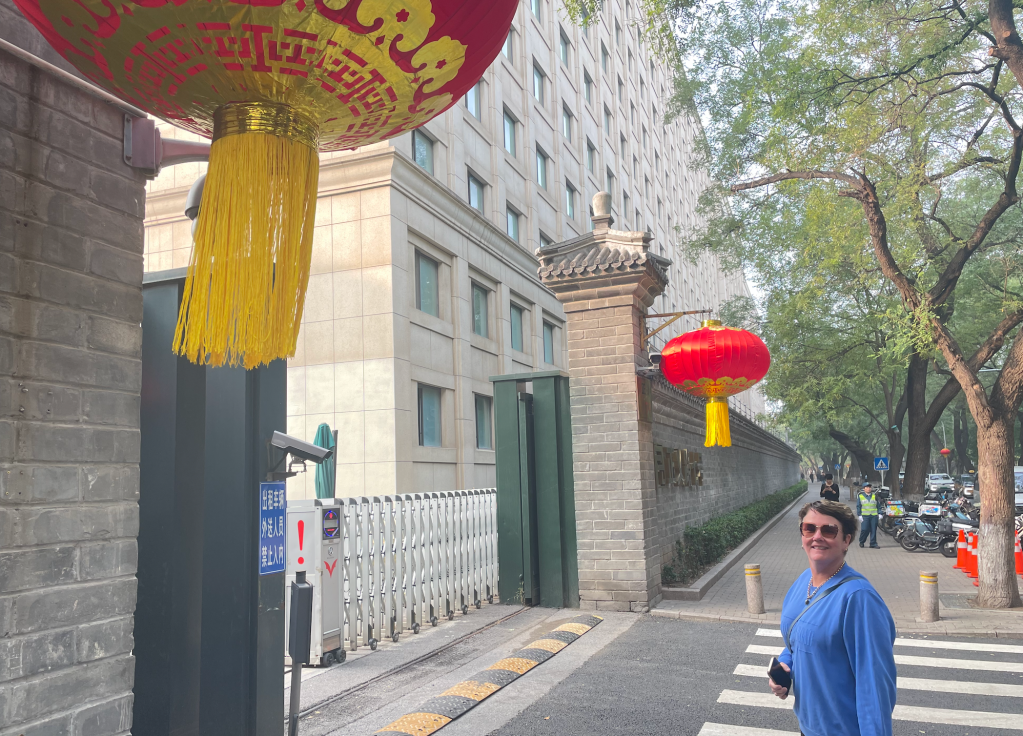

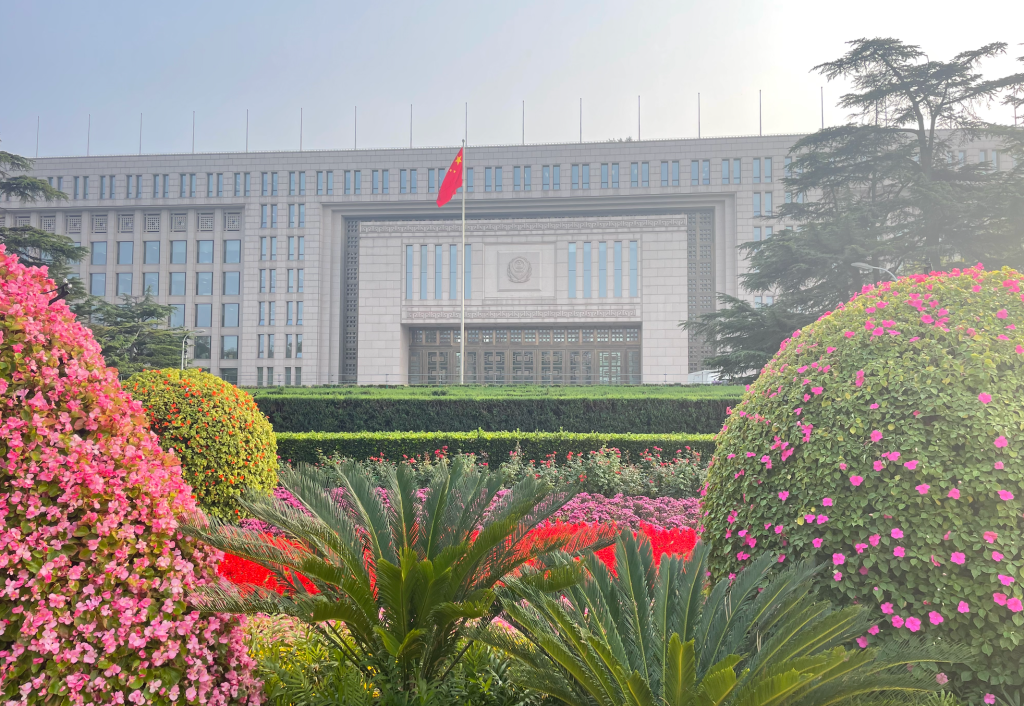
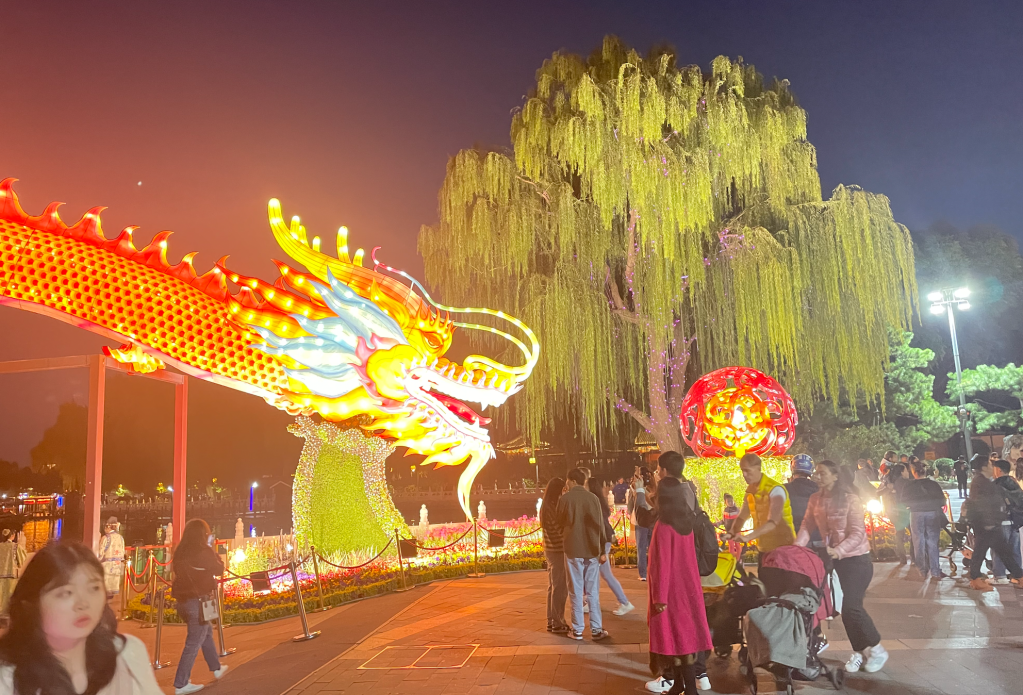
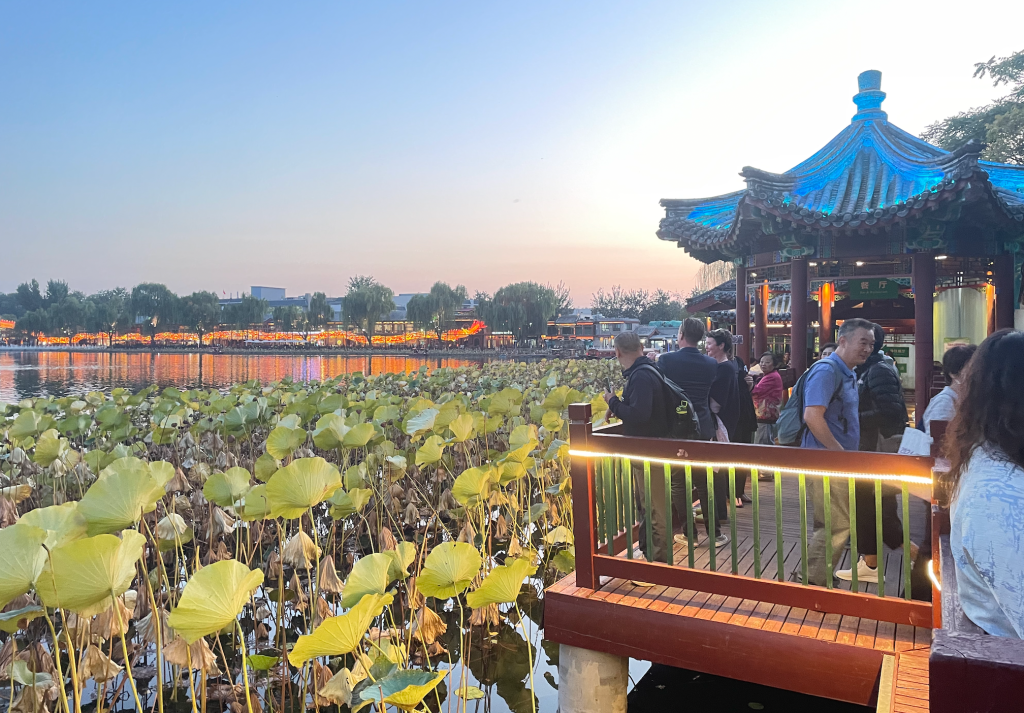
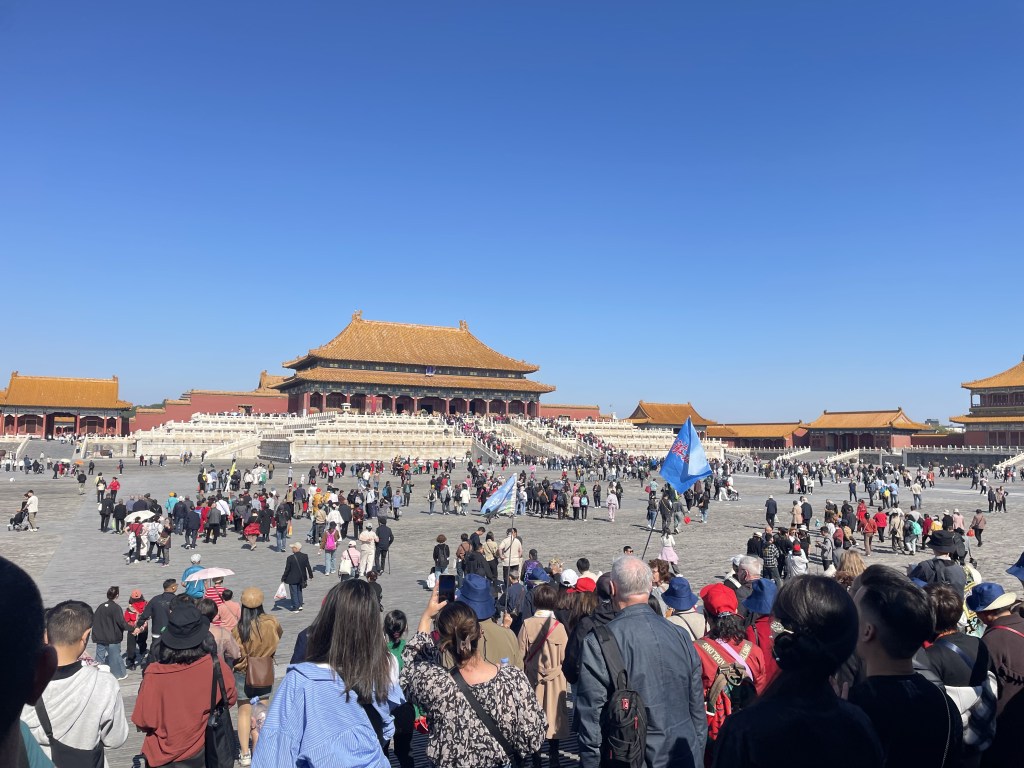
Our official itinerary, with all the other gelegates, began the next day with a visit to the Forbidden City, an incredible historical site that also includes an education center. The place radiates Chinese history, with every corner revealing something new. The City, located in the heart of Beijing, is a vast imperial palace complex that served as the residence of Chinese emperors for nearly 500 years. With its intricate architecture, expansive courtyards, and richly decorated halls, it remains one of China’s most iconic symbols of royal heritage. It was impressive to see how history and education intermingle in such an iconic landmark. Afterward, we went to Houhai Lake for dinner. Houhai Lake, is one of the three connected lakes in central Beijing, is a scenic spot surrounded by historic hutongs, willow-lined shores, and lively cafés and bars. Known for its calm waters and vibrant atmosphere, Houhai actually freezes in winter, giving the setting a magical touch.



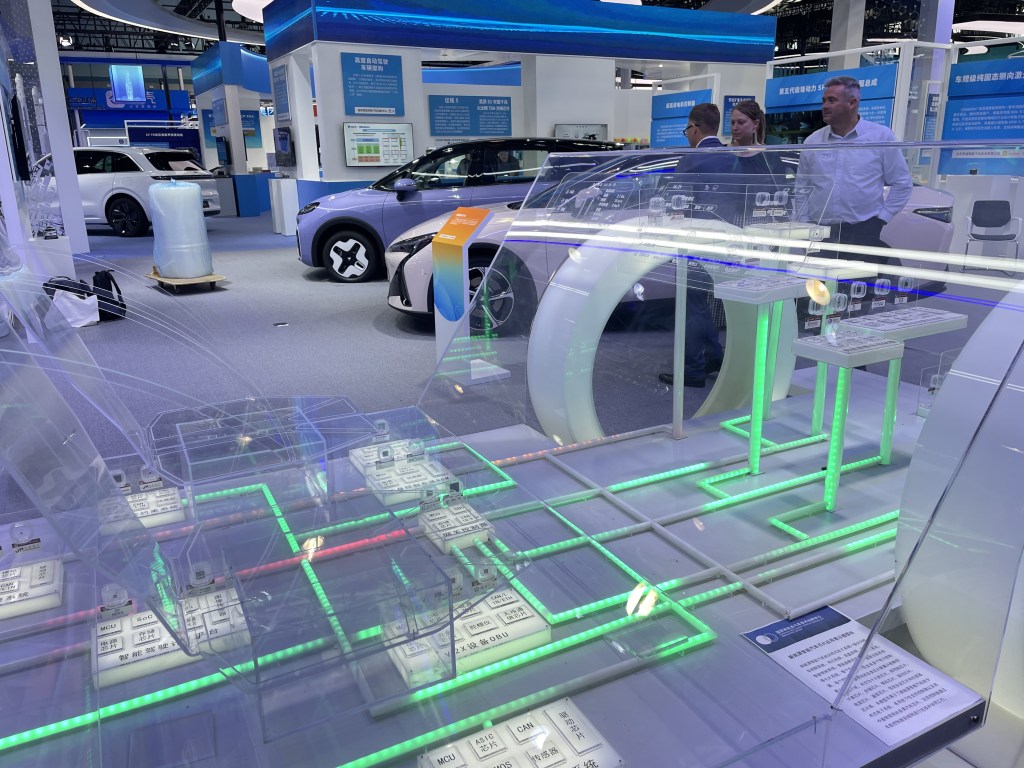
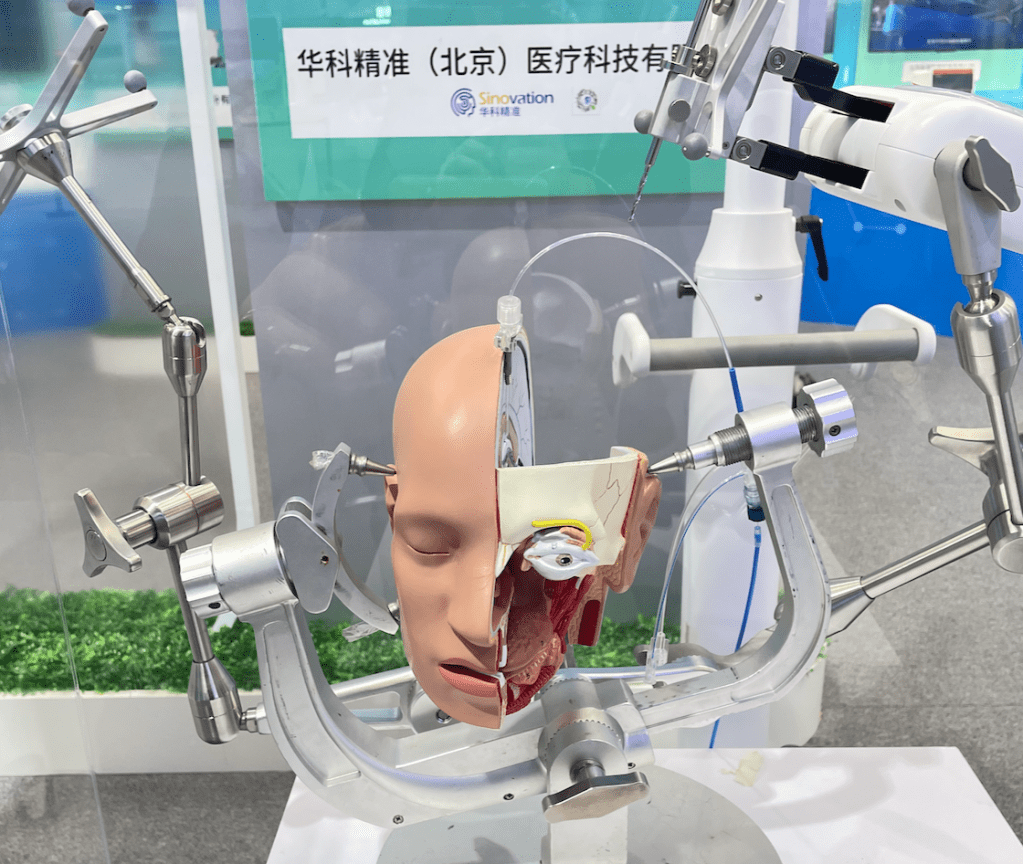
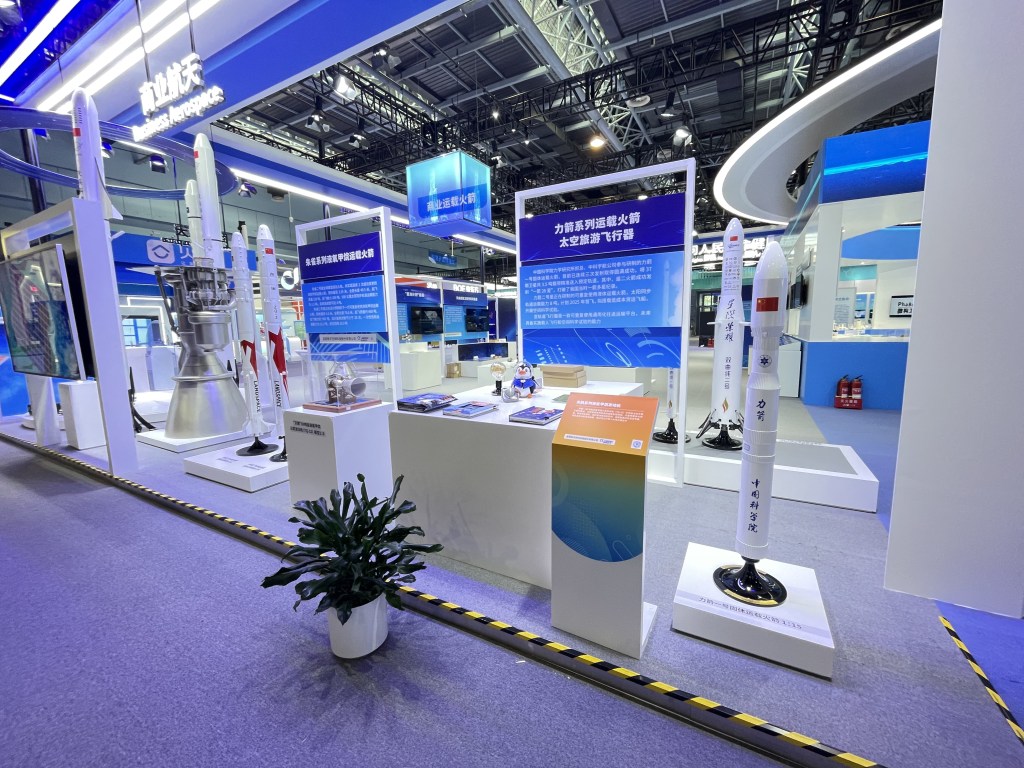
The second day brought a shift from history to cutting-edge innovation at the Zhongguancun National Innovation Demonstration Center. It was a futuristic playground showcasing tech advances in fields ranging from agriculture to space exploration. It was hard not to be blown away by the sheer scope of technological progress.



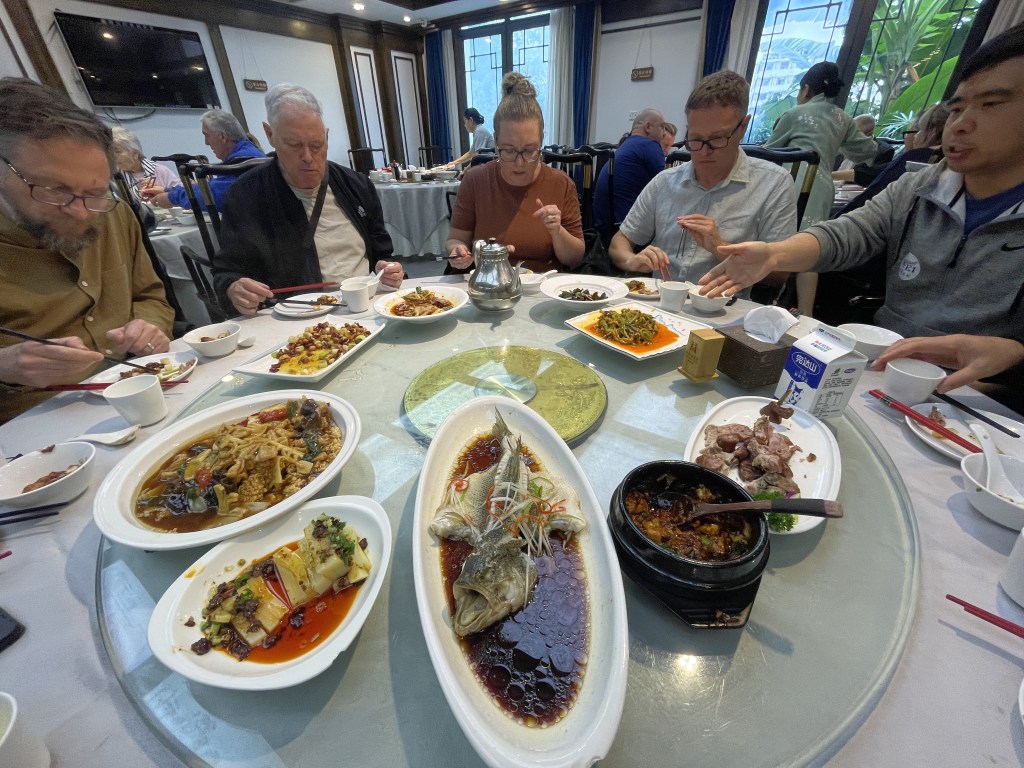
Lunch that day introduced us to the quintessential Chinese dining experience—a large round table, topped with a lazy Susan, where various dishes made their way around. Over the week, I learned to love certain dishes—pork (without the fat), bamboo shoots, and rice—but avoided others, like shrimp and fish. A surprising favorite? The yoghurt. It was runnier than what we’re used to in New Zealand and not as sweet, but I found it to be a refreshing treat.

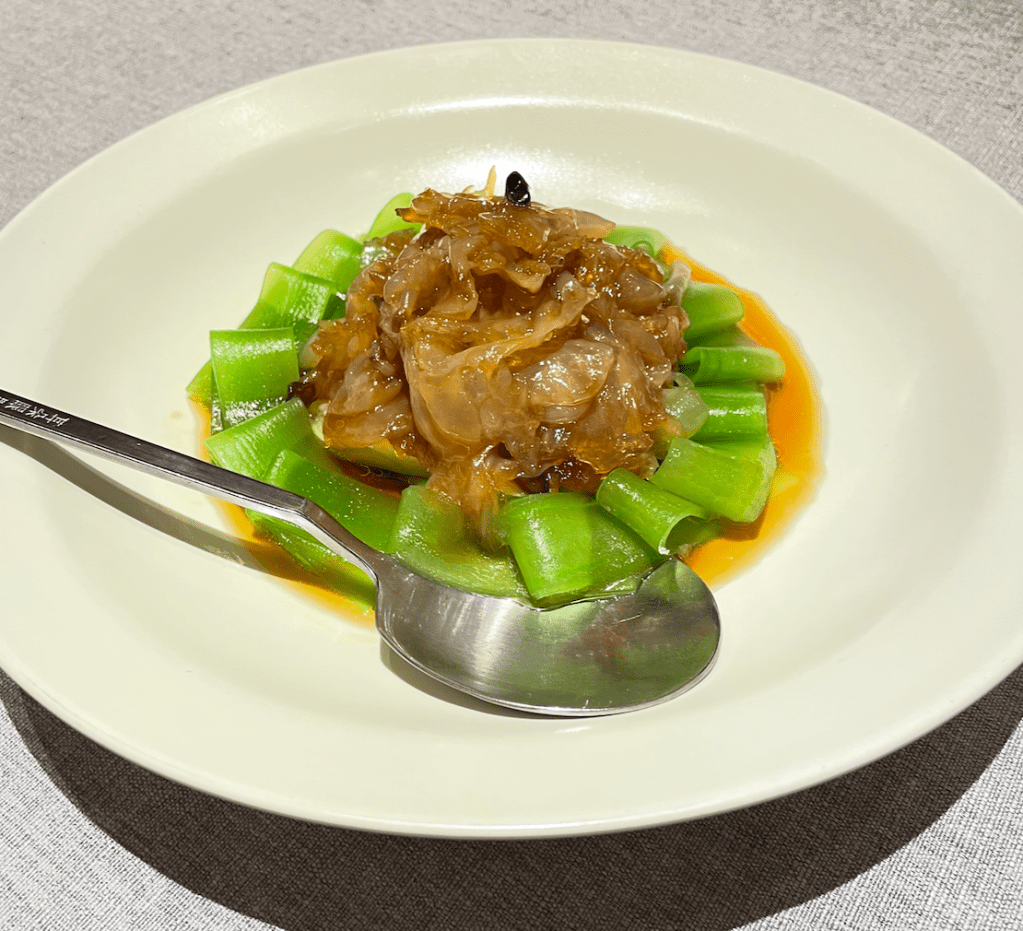

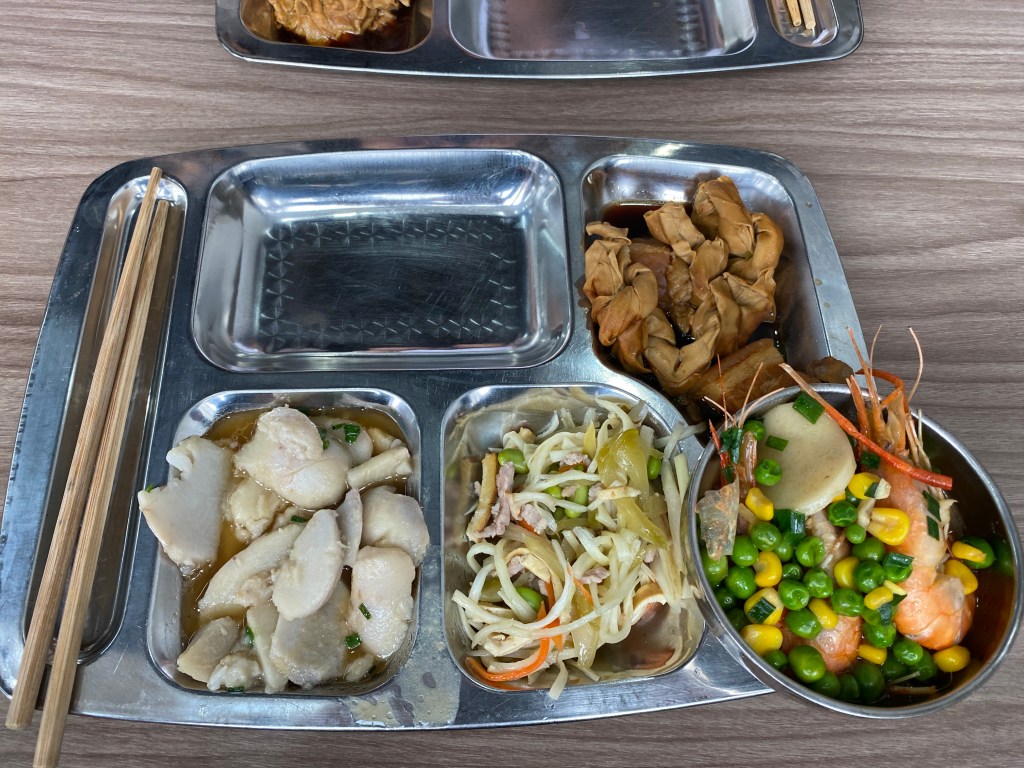
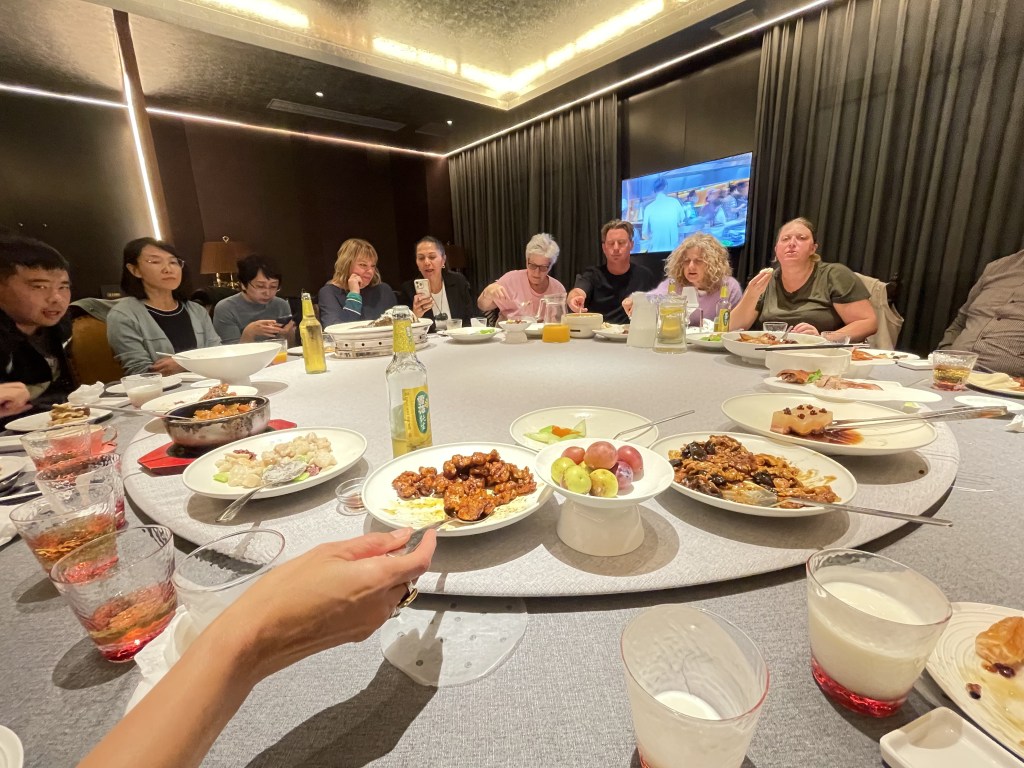
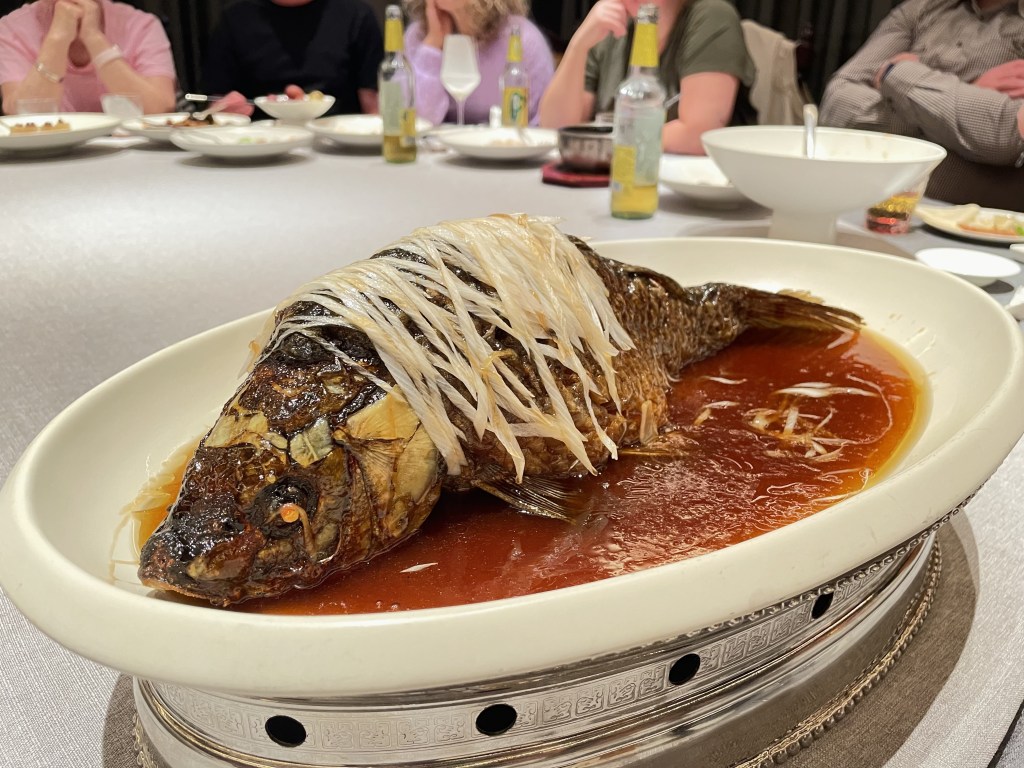
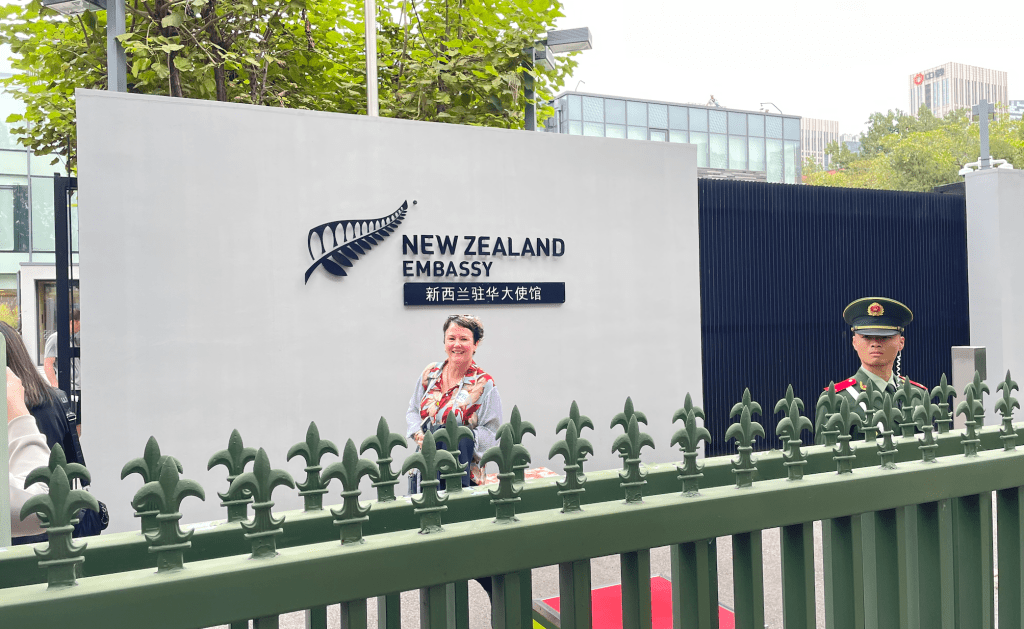
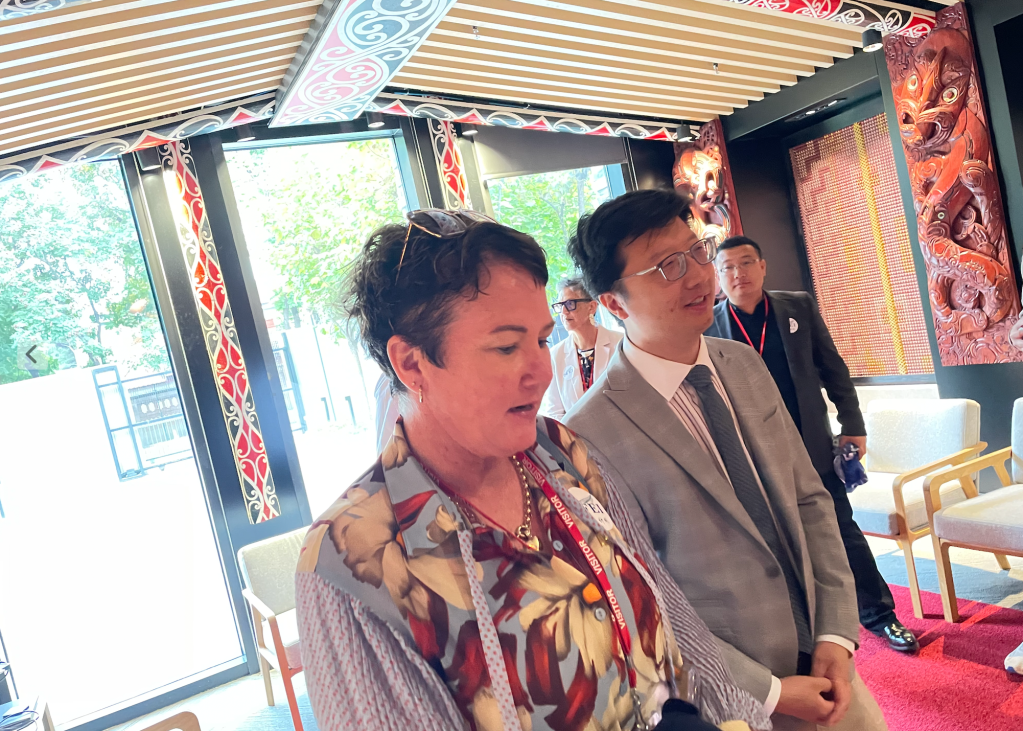
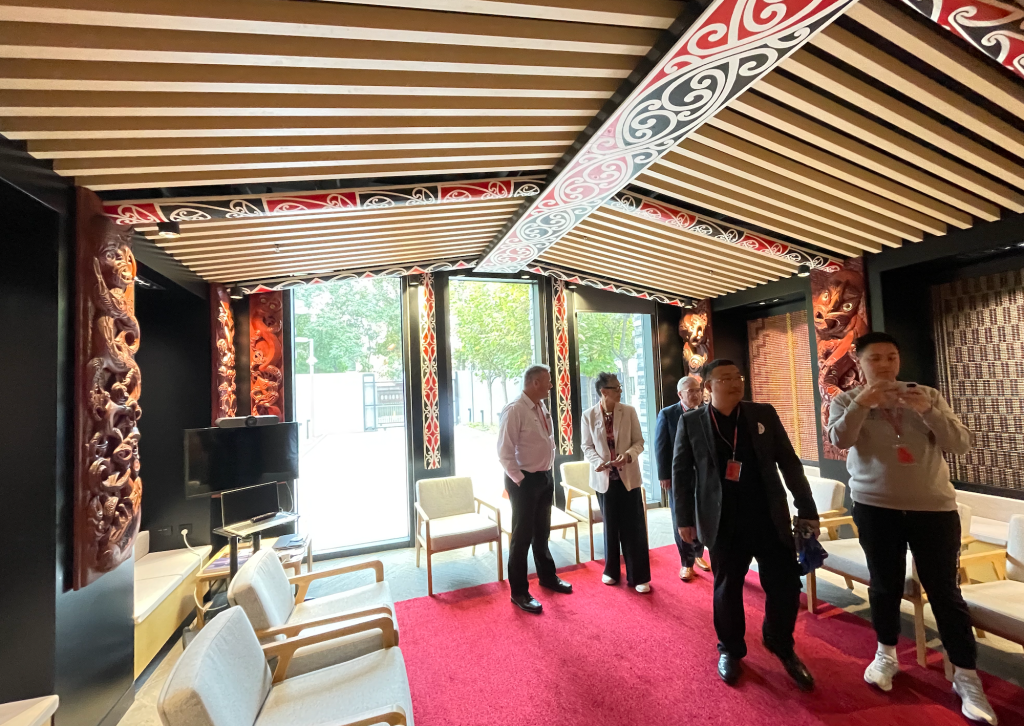
We later visited the New Zealand Embassy in Beijing. This was an insightful experience, as we were briefed on the growing educational ties between China and New Zealand. It was fascinating to hear about the increasing demand for international education and the role our schools can play.
From Beijing, our group split in two, and I headed to Tianjin. After a three-hour bus ride to this coastal city, we attended an educational summit the next day. This was a deep dive into the similarities and differences between the New Zealand and Chinese education systems.


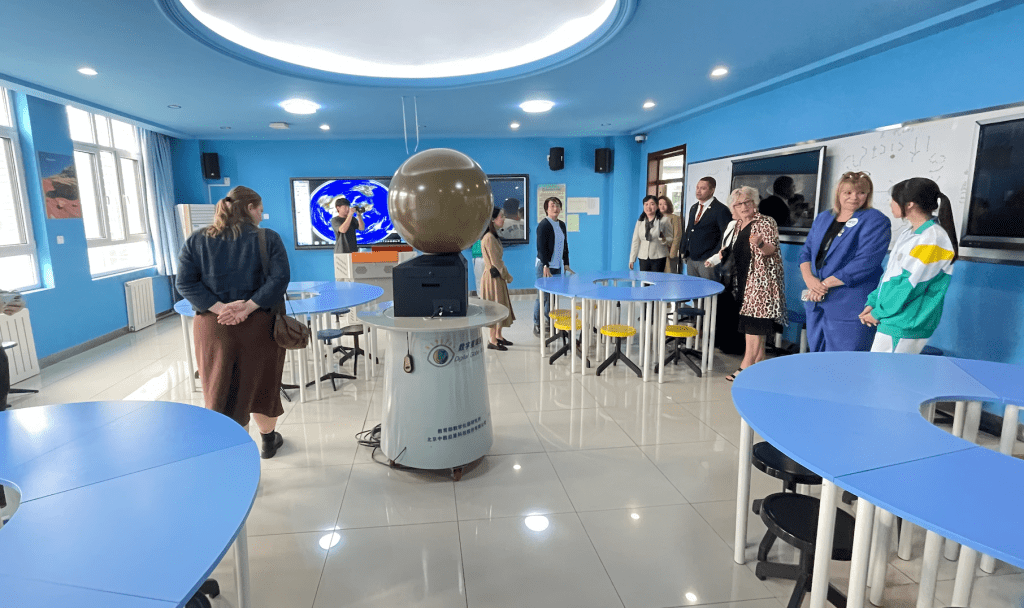
We stared with a tour of three schools in the district. Each school had its own flavour and focus. These schools were eager to show us their programmes and areas that they have been developing. It is very clear that the government in China has invested heavily in subjects outside the traditional Chinese and mathematics. The first two in particular, had a number of rooms and areas dedicated to STEAM subjects, art, music, ICT and robotics.


One highlight of this part of the trip was visiting the Kung Fu School—easily one of the most awe-inspiring experiences. Watching students practice their martial arts in a place renowned for Kung Fu was something I won’t forget.


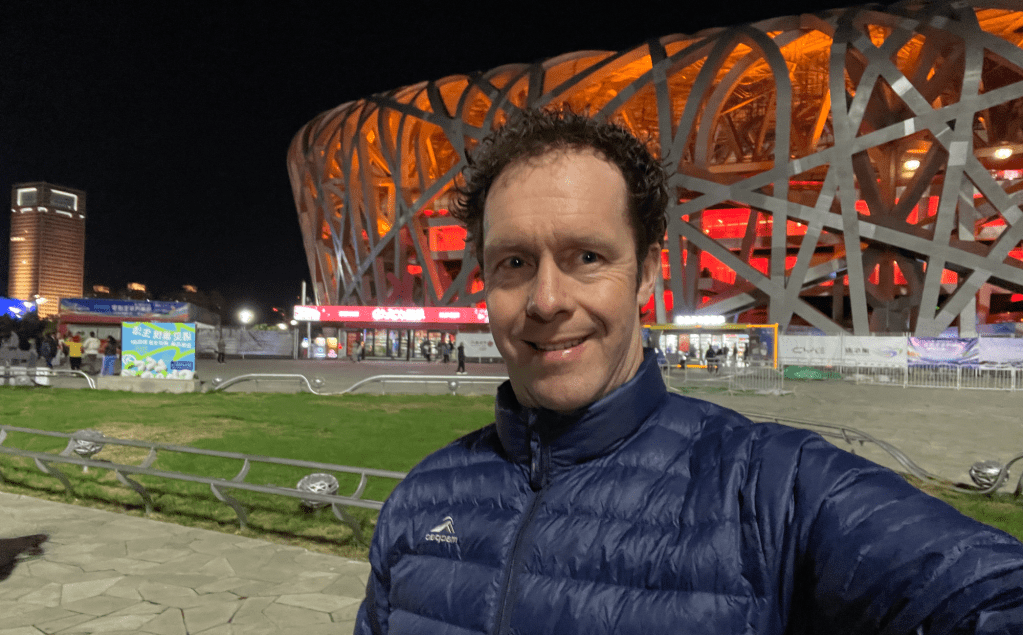
After Tanjin, I returned to Beijing to take part in the first of two Education Fairs, where Melissa and I had the opportunity to promote Mount Maunganui Intermediate to prospective students and their parents. These fairs are important to develop connection with those thinking of coming to New Zealand for their education and also for our agents. Melissa and I also took this time to catch a couple of local sites of Beijing in the evening – the best of these was the vibrant Olympic village from the 2008 Olympic Games.

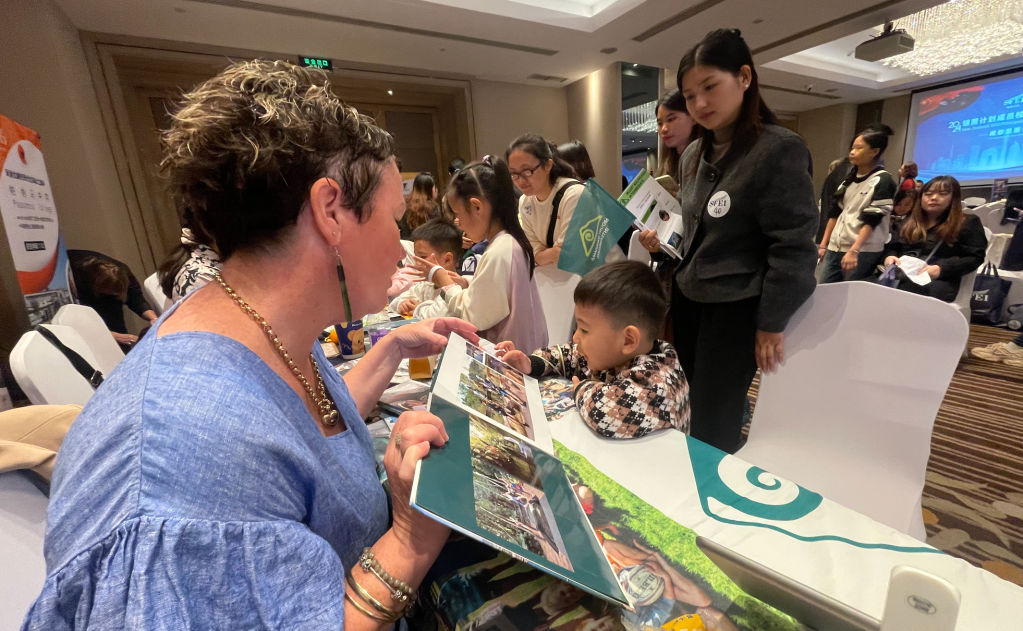
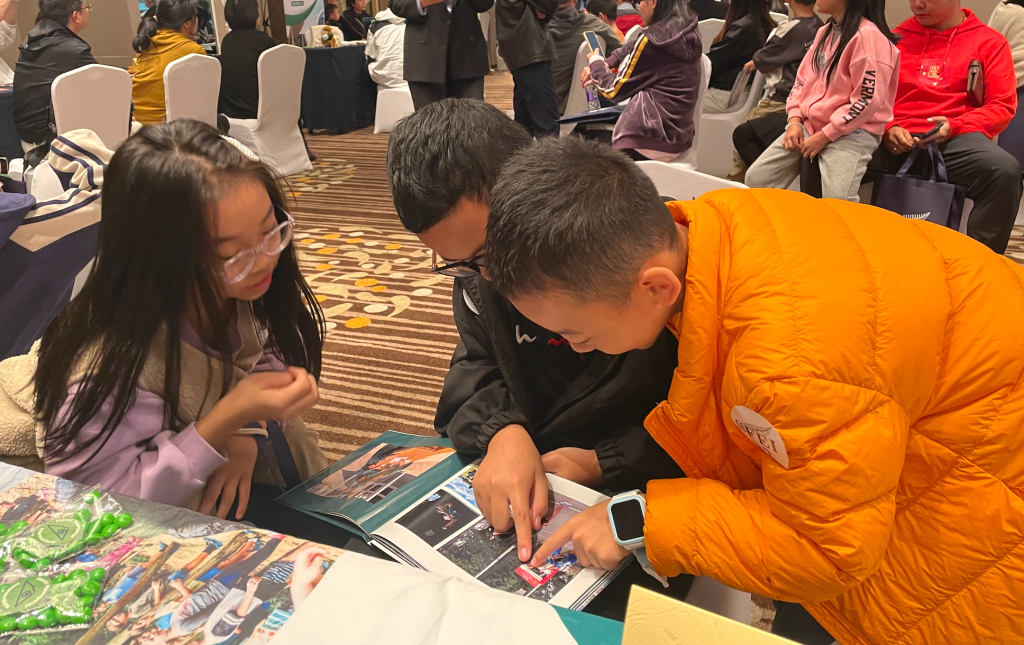
We also took part in a 40-minute educational interview, showcasing our school and what it offers. That evening, we flew to Chengdu, a city that immediately felt different from Beijing—a slower pace, a bit more liberal, and a fresh energy.
The next few days were filled with more fairs and school visits. Chengdu, in particular, was an eye-opener—its markets, opera, and food made for an unforgettable experience. One night we dined at a Michelin-star restaurant, sampling famous Chengdu dishes, and it was easily one of the culinary highlights of the trip.

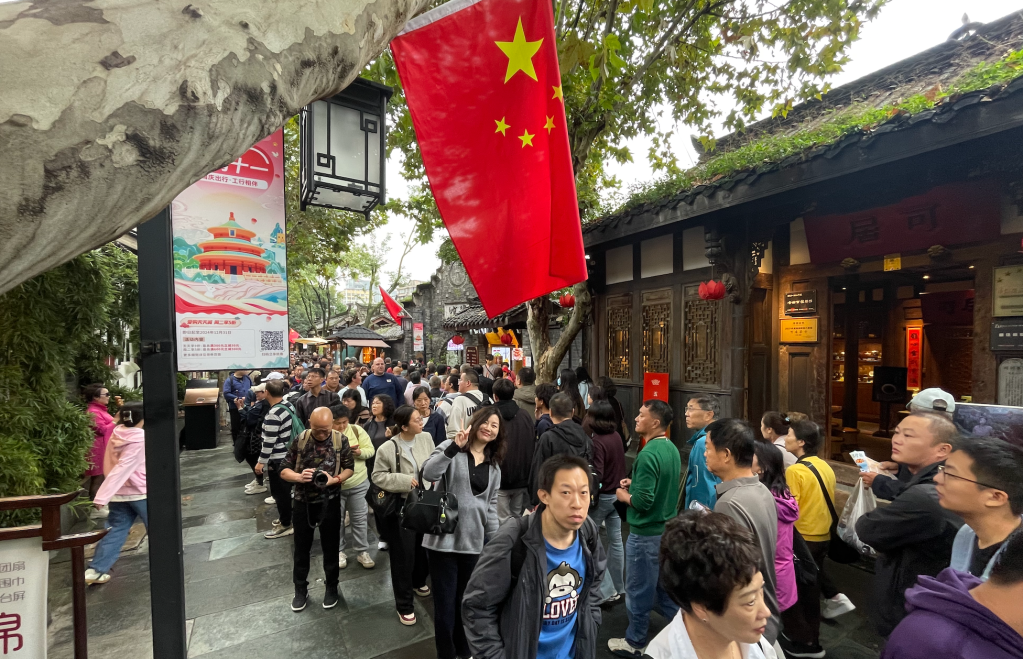


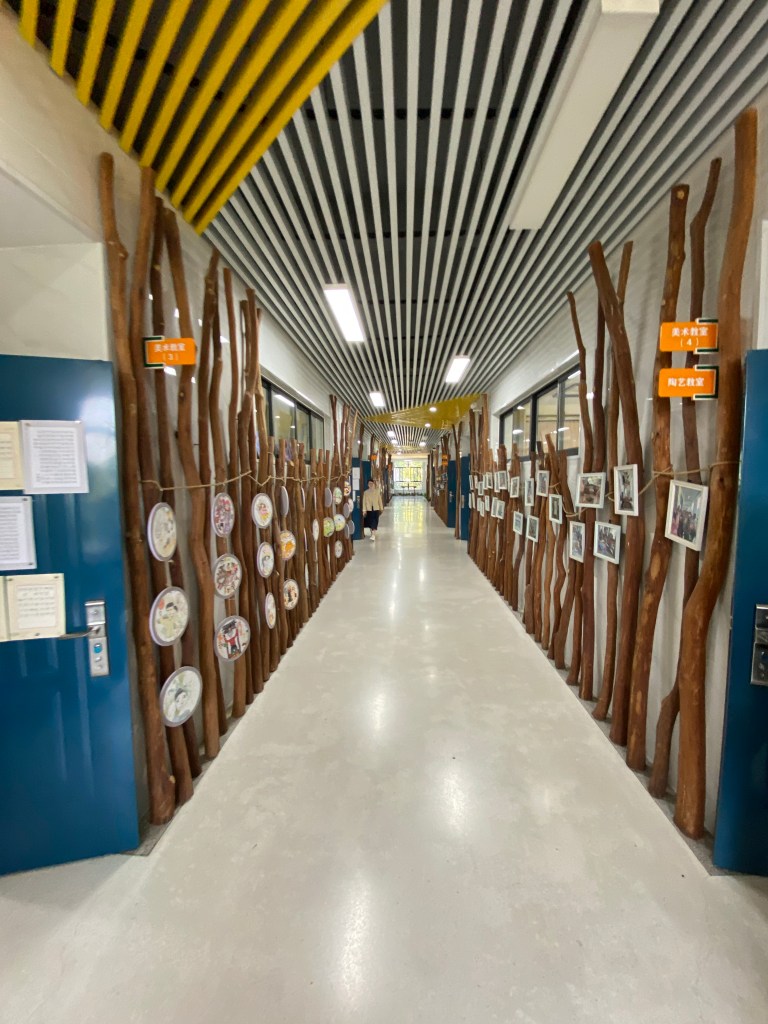
Over the course of our trip, we visited around a dozen schools, and while each visit had its unique points, the structure was quite similar. We were usually welcomed in the expansive administrative areas, with introductions to the school’s vision, values, and educational philosophy. Many schools proudly showcased their history through dedicated museum spaces or corridors lined with artifacts and photographs, often including scale models of the entire campus. Our tours primarily took us through the specialist areas—music, art, ICT, and robotics labs—while regular classrooms remained out of sight. This was likely intentional, giving us a window into the inquiry-based or project-oriented side of learning in China, though it meant we rarely observed the typical student experience. Lunches were often served in school cafeterias, where we able to sample the hot meals that are a part of their daily routines. Among our delegation, there was a shared feeling that we were being shown the most polished, innovative aspects of these schools, showcasing what the Chinese system wants to project to visiting educators from abroad.
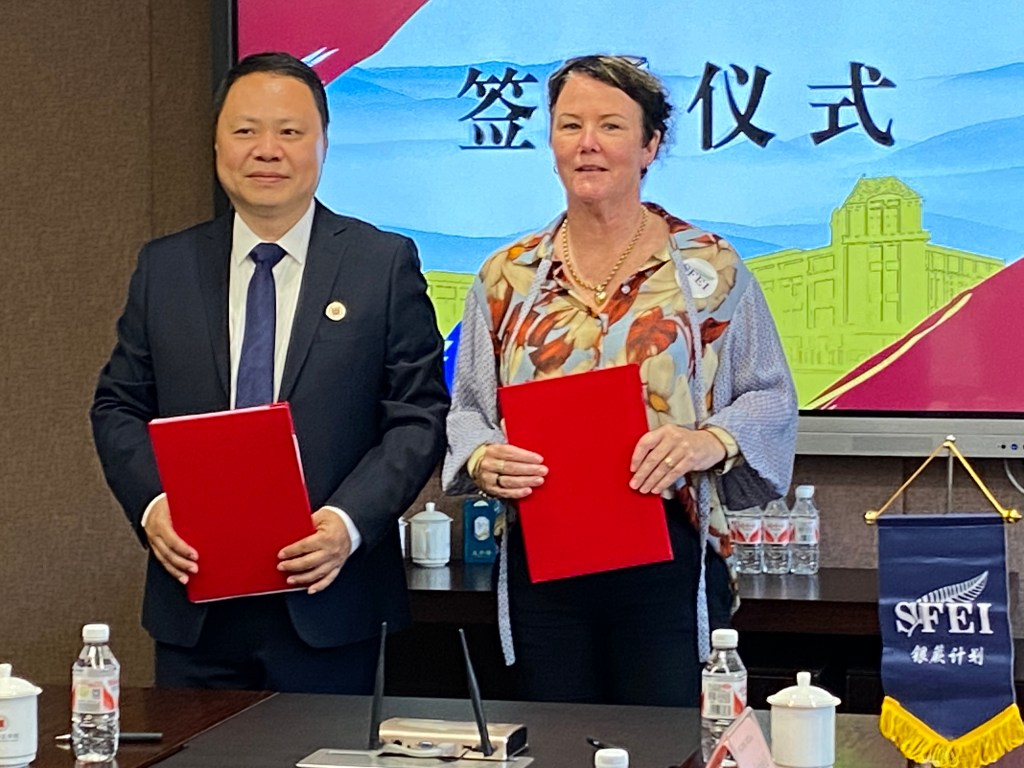
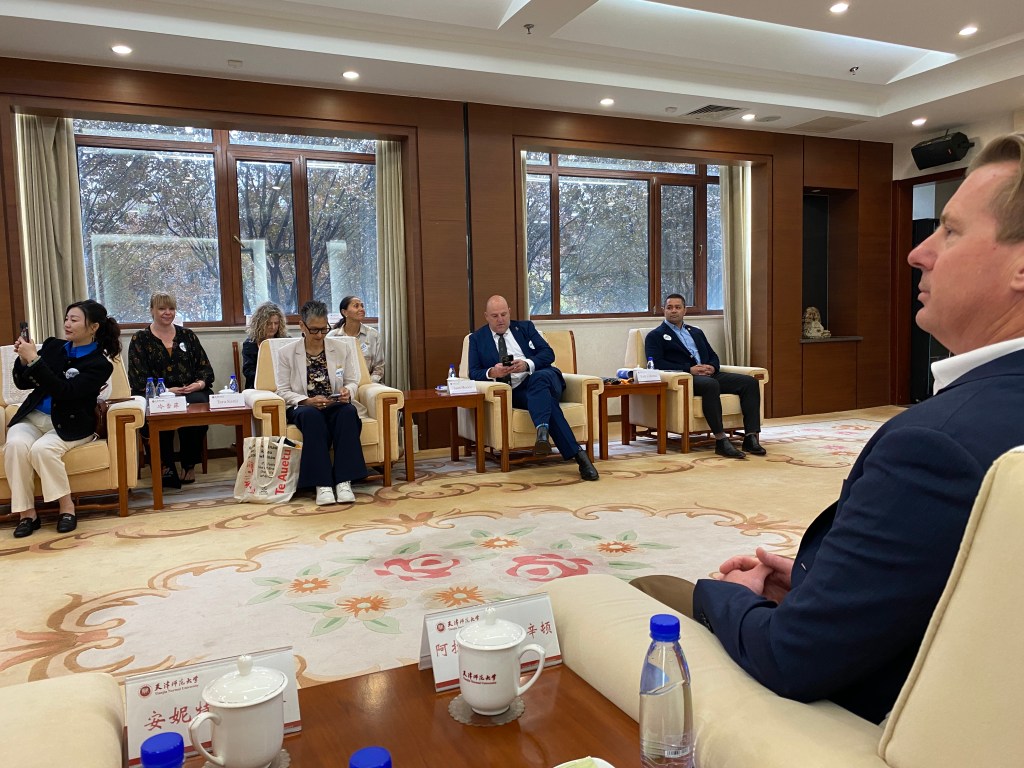
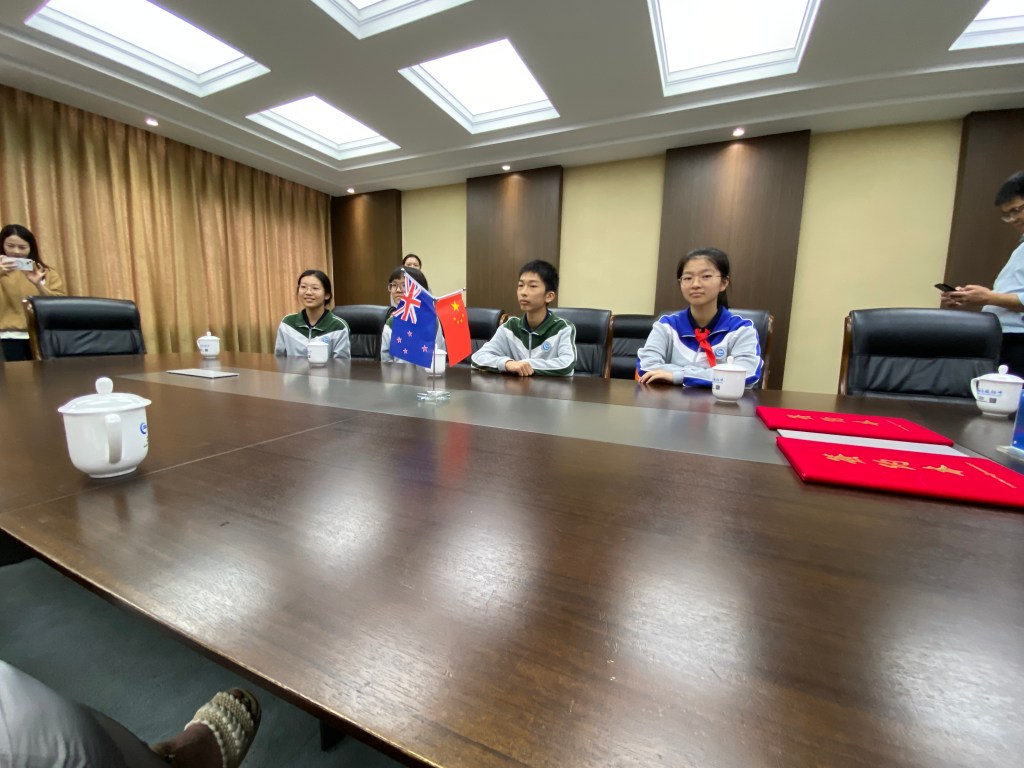
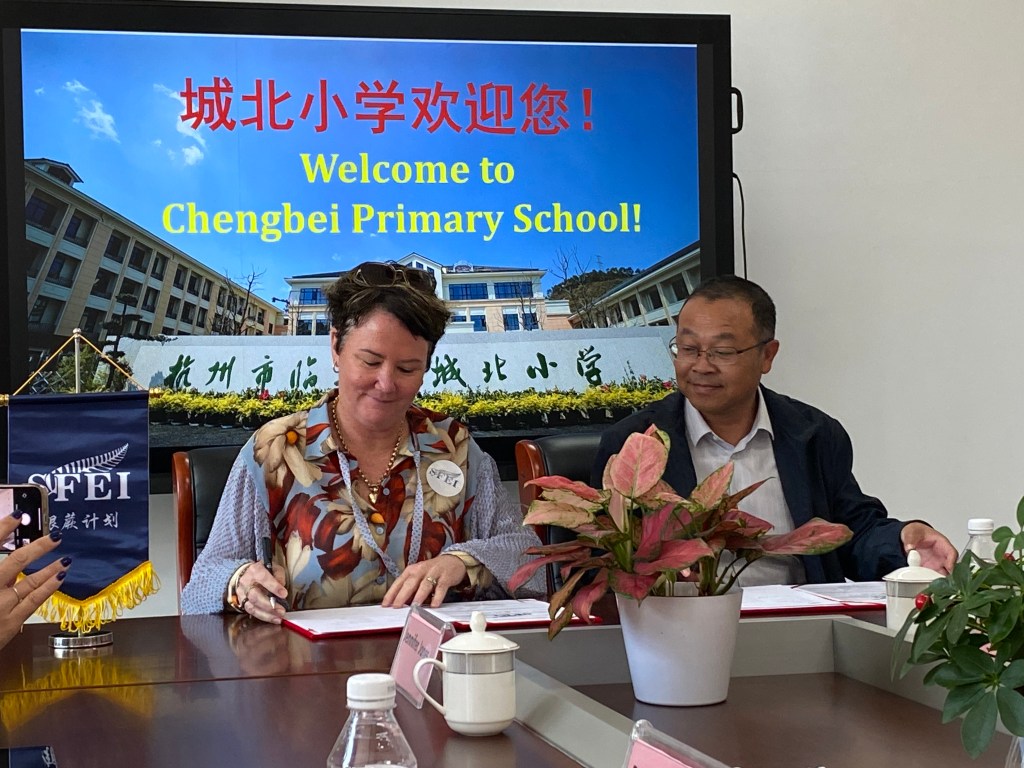
Following the tours, we’d typically gather in a large boardroom, where the seating was as formal as the occasion: our delegation on one side, and the school representatives on the other. This setting set the tone for the speeches that followed, highlighting each school’s achievements and vision, and underscoring the importance of the visit. As part of the formalities, gifts were exchanged between our schools. Many visits concluded with the signing of a “friendly” or “sister” school agreement, marking a commitment to ongoing cooperation—symbolic of the broader educational bridge we were there to build.

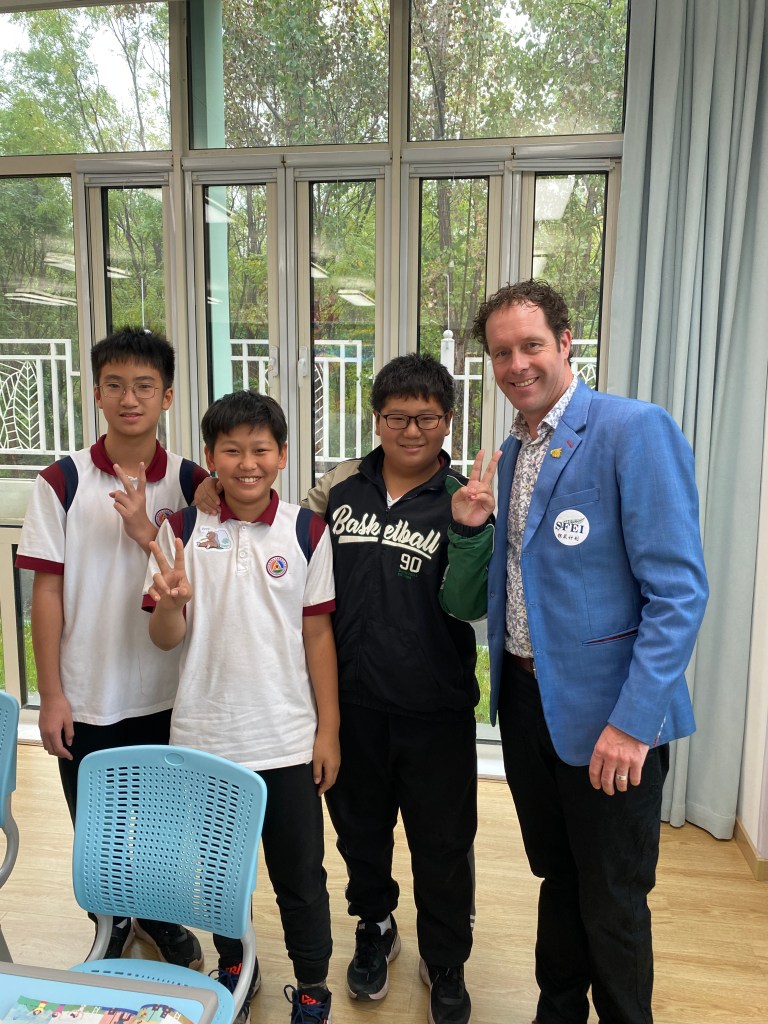
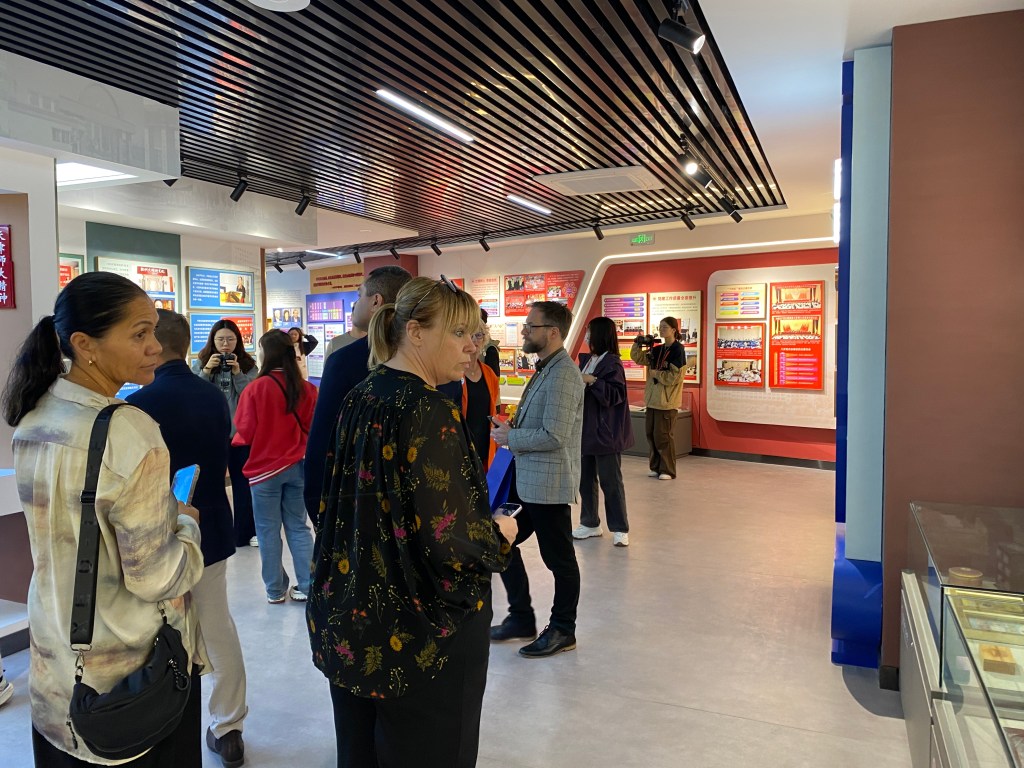



For the final leg of the tour, I joined Melissa and the International Manager and Principal from Te Akau Ki Papamoa, flying south to Hangzhou—a lively city not far from Shanghai. Here, we visited five more schools and signed sister school agreements with three of them. The atmosphere was noticeably more relaxed, with educators eager to share insights and ideas that resonated with our own teaching philosophy.




Some highlights included meeting dedicated teachers and school leaders with a passion for cross-cultural exchange, my principal’s impulsive purchase of a motorcycle jacket, and spotting chicken feet on the lunch menu—an unforgettable detail that added some humour and authenticity to the experience.
However, on a personal level, I enjoyed visiting Hangzhou Yang Zheng School, where I got to present medals during their athletics day—a real honour. I was up there in a hat and suit, striking enough that the locals told me I was giving off a bit of a Donald Trump vibe, which I’m still deciding how to feel about!
During this time our school, Mount Maunganui Intermediate, signed sister school agreements with the following schools. Hopefully we can continue to grow our relationship with these schools in the future.


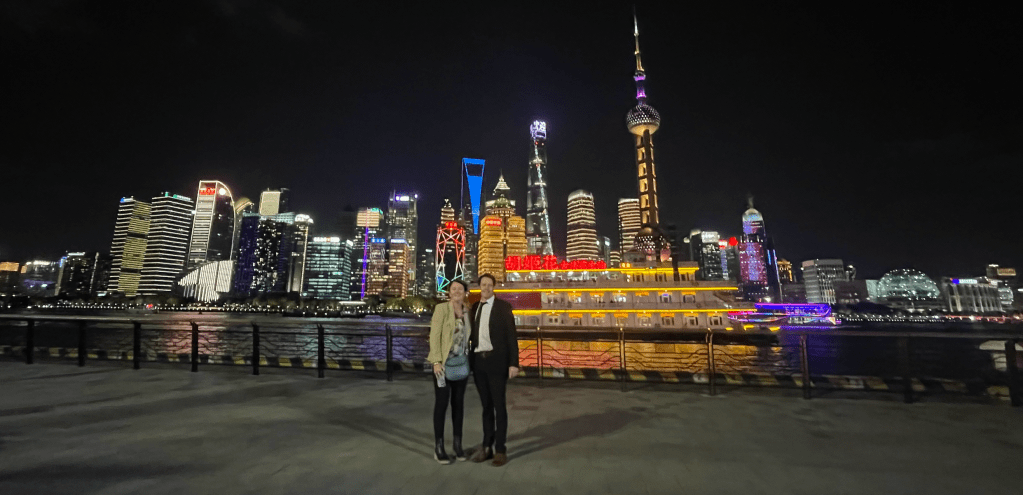
On our final evening, we witnessed a spectacular light show that lit up the night sky along the river. Ten to fifteen skyscrapers were alive with vibrant colors and intricate patterns, synchronized to music that reverberated across the water. The buildings transformed into massive screens, telling stories in light and motion that seemed almost surreal. It was the kind of show that leaves you in awe—a dazzling display of technology and artistry that brought the city’s skyline to life in an unforgettable way.
Our journey ended with a high-speed train ride to Shanghai and a final dinner with the whole group. There we were, in a German restaurant of all places, overlooking the Shanghai skyline while a band played “Pokarekare Ana.” It was the perfect surreal finish to an incredible two weeks of learning, connecting, and sharing.

 shem banbury
Leave a reply to Diane Banbury Cancel reply