Term 1 2024 – A Strategic Initiative for Cultural and Educational Excellence

In 2024, Mount Maunganui Intermediate has embarked on a new initiative designed to significantly enhance the Te Reo Māori proficiency of their teaching staff. This initiative is not only about language acquisition but has a deeper commitment to improve the cultural identity of our school and ultimately the academic success of our students. This is particularly important as around 28-30% of our student body identify a Māori.
Understanding the Need for Change
In New Zealand the educational success of Māori students is startling. In 2018, New Zealand was outed as having one of the least equitable education systems in the world. Furthermore in 2021, only 58% of Maori students achieved NCEA level 1, which was 16 percentage points below European students.The statistics are similar at Mount Maunganui Intermediate.
Research shows that Maori students can struggle academically and not engage fully with our current curriculum, which can feel culturally distant. Our leadership team has recognised the profound impact that a deeper integration of te reo Māori and Māori cultural concepts into daily learning could have on these students’ school experience. The goal is to transform our school into a place where Māori culture and language is a vibrant, thriving part of everyday learning.
Our Vision for Te Reo Māori Proficiency
The vision for this initiative is twofold: to enhance our teachers’ personal mastery of te reo Māori and to equip them with the skills and resources needed to effectively teach and integrate Māori language into their classrooms. We believe that by empowering our teachers, we can create a more inclusive and supportive learning environment for all our students, thereby raising academic engagement and achievement.
Strategic Planning and Decision Making
The journey began in 2023 with extensive planning, research, and consultation. Our Senior Leadership Team reviewed several language acquisition programs and reflected deeply on past initiatives to identify what had worked and what could be improved. The criteria were clear—any program we chose needed to be flexible enough to accommodate the varied schedules and existing commitments of our staff, yet robust enough to provide rigorous academic and cultural content.
Choosing the Right Tools: The Reo Ora Platform
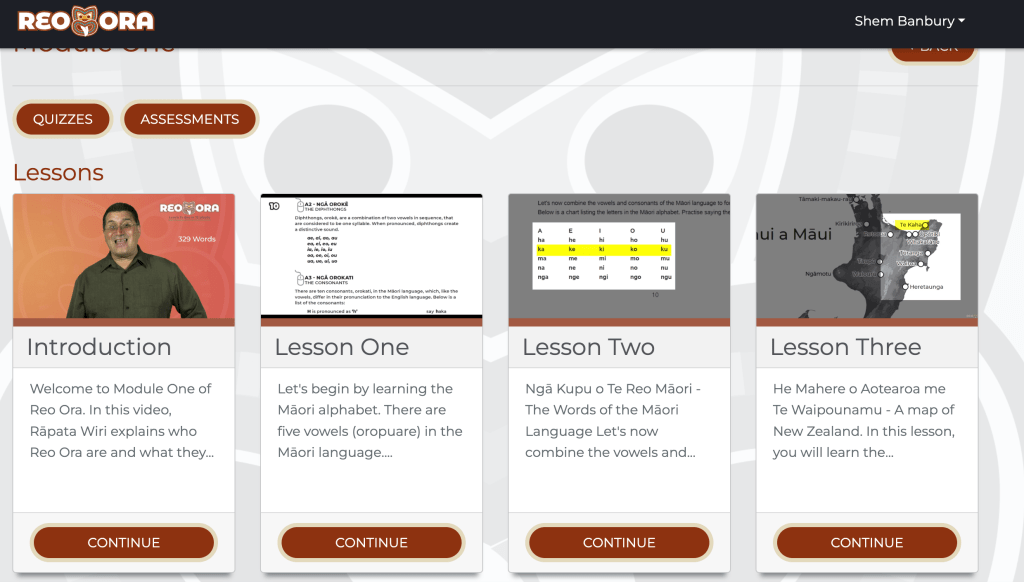
After three months of thorough evaluation, we selected the Reo Ora app. This platform, developed under the guidance of Dr. Rāpata Wiri, who has over 25 years of experience teaching Māori language at universities and wānanga, offers an online, self-paced learning environment that is complemented by a workbook and an AI pronunciation tool. The flexibility of Reo Ora allows our teachers to learn and practice at their own pace, fitting their learning into their existing schedules while still participating in a structured and supportive community of learners.
Financial and Temporal Investment
Recognising the importance of substantial and sustained investment, we allocated significant financial resources to this initiative. The school covers the registration fee per staff member (well over $500), demonstrating commitment to their professional development and the value we place on cultural competence. Moreover, to facilitate meaningful engagement with the program, we adjusted our staff meeting calendar, reducing our weekly staff meetings to free up time for staff to participate in Reo Ora’s courses.
We usually have a staff hui every Tuesday after school each week – effectively 10 per term. We have dedicated 7 of these to our te reo learning.
Practical Application and Collaborative Development
To maximize the impact of our investment, we designed a detailed implementation schedule. We felt a strict schedule was needed at the start of this process. This schedule sets aside specific times for individual learning and gives staff the dates and times that they should have completed certain modules and lessons by.
Each of our weekly staff meetings begins with all of our staff gathering for tikanga. This involves our staff learning a waiata that is the song that they will teach their class that week. That song is also sung in our weekly assembly. Following this, staff then move off for 45-50minutes of individual learning. This is either done individually or with a partner. The final part of each session is dedicated to team-based planning. This is where teams come together and set up their te reo lessons for the week – sharing and creating resources based on their new knowledge.
Reo Ora Staff Meetings
15 minutes – Tikanga in the staffroom.
45-50 minutes – Individual learning.
25-30 minutes – Team planning for individual lessons.
Ongoing Support and Evaluation
To ensure the success of this initiative, ongoing support and evaluation mechanisms are in place. Regular feedback is gained throughout Team Leaders to help us gauge the effectiveness of the training and its impact on classroom practice. Additionally, we encourage peer support and sharing of best practices among our staff to continually enhance the learning environment.
Modelling Learning
As SLT we wanted to model what good learning could look like. Therefore, at the end of each week we would create a resource that went into the staffroom. The hope was that this would foster and encourage te reo between our staff.
Resource List from Term 1
Map of New Zealand with place names.
Set up flip cards answering the question – Kei te pehea keo?
Question dice with a 6 questions.
Quizlet activities for
Our hope was these resources would inspire staff to make similar tools for their classroom.
 shem banbury
Leave a comment